20 STORIES FOR 20 YEARS
Eric Frances - CEO of Bethel Woods
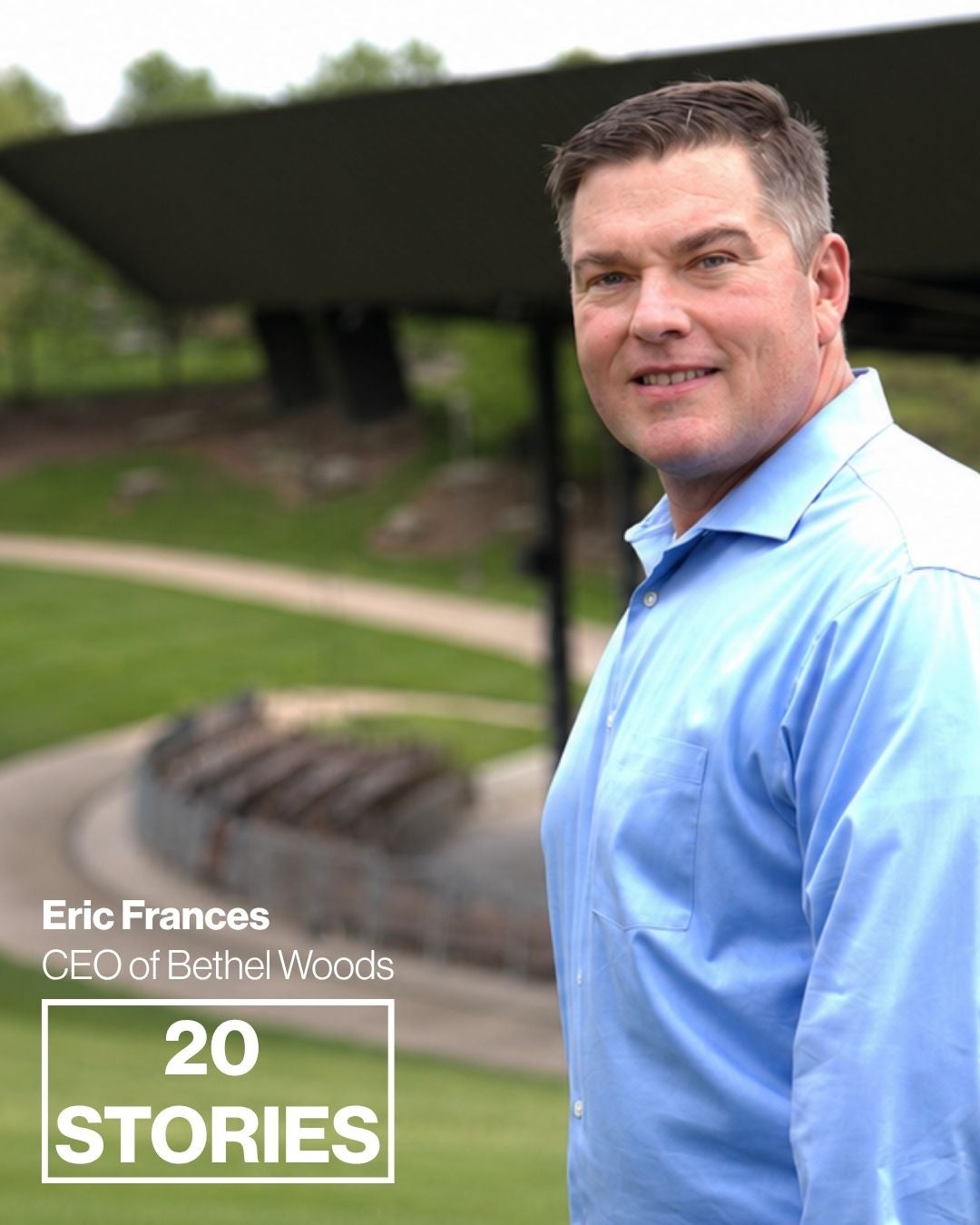 Bethel Woods CEO Eric Frances recalls his first days on the job in 2006 as Chief Financial Officer, moving into the top spot in 2020 just as the Covid pandemic was hitting, and what the nonprofit looks like 20 years later.
“Twenty years later, some details of my first day are definitely blurrier than they used to be — but a few things still stand out pretty clearly.
I remember showing up wearing a jacket and tie because everyone who interviewed me had been dressed impeccably. I genuinely thought I was entering a very formal corporate environment and figured I’d better dust off my suits after coming from a much more business-casual workplace. Sometime that afternoon, though, my boss popped into my office and basically told me, ‘You can relax a little – it’s rock and roll.’ That was probably the first clue that Bethel Woods had its own personality.
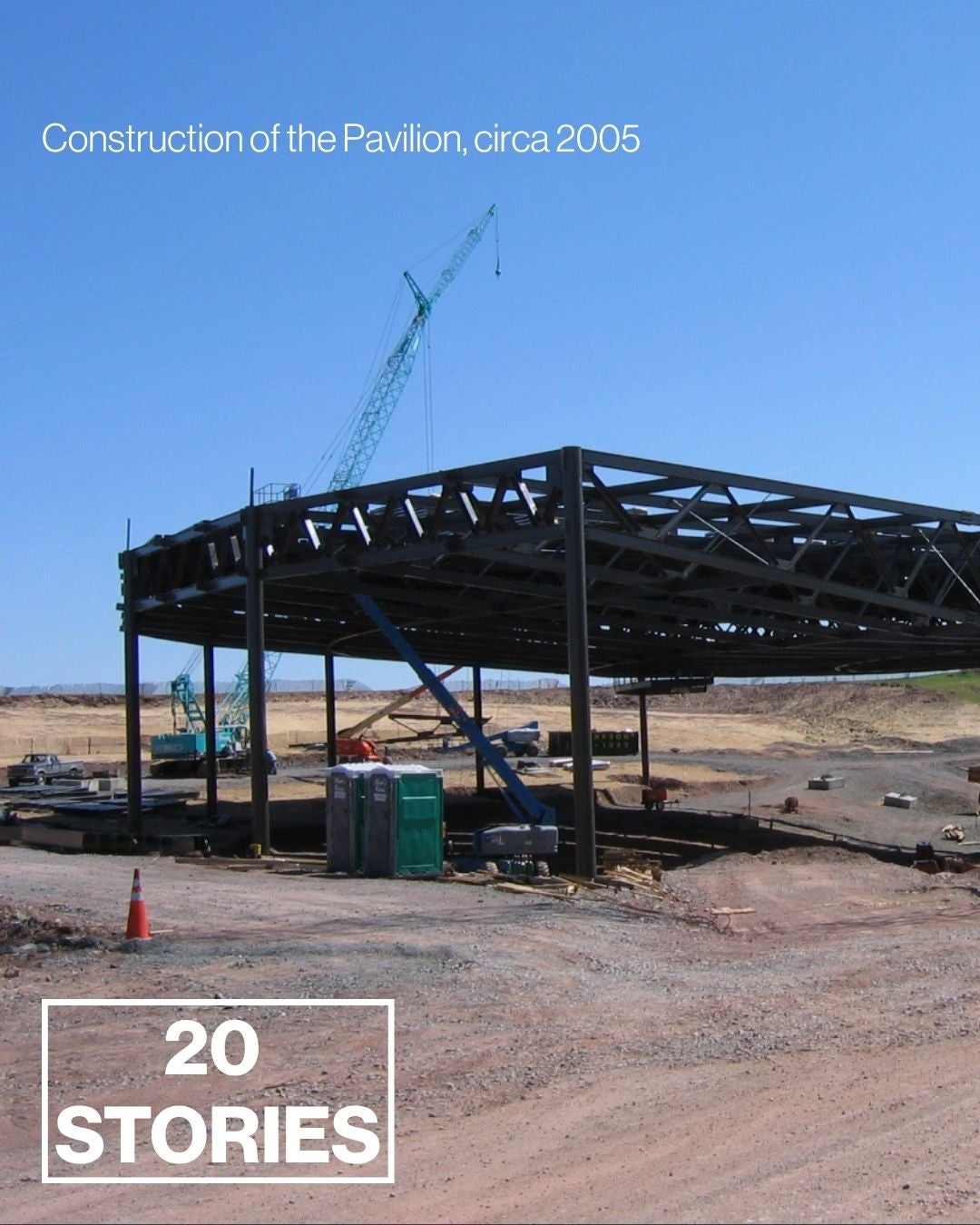 The campus was still under construction, so there was constant activity everywhere. The office next to mine belonged to one of the construction supervisors — an extremely colorful guy from Romania who spent most of the day either loudly cursing or chain-smoking cigarettes. Sitting next door to him was both hilarious and terrifying. It definitely wasn’t the polished first day I had imagined, but in hindsight, it perfectly captured the mix of ambition, intensity, and unpredictability that defined those early days.
There was also an energy in the air that’s hard to describe now. Everyone understood we were building something important — not just another venue, but a place tied to an incredible piece of American cultural history. Even before the gates opened, you could feel that.
 In January of 2020, Eric was appointed Chief Executive Officer of Bethel Woods, just months before Covid would shut the venue down for the season, causing him to rethink how the nonprofit would operate in the year ahead.
While Covid was incredibly difficult on so many levels, there are also moments from it that I’ll never forget because they revealed the character of this organization and the people behind it.
One moment that stays with me was a phone call with our chairman, Alan Gerry, early in the uncertainty. Everything around us felt unstable, and none of us really knew what the coming months would look like. Alan calmly told me, ‘Everything is going to be fine. I’ve been around a long time and this feels like something we will see our way through.’ Alan’s ability to remain steady, calm, and optimistic — is why I took the job and what gave me comfort during those times.
Not long after, despite the fact that regulations had effectively shut down our operations, the Board made the decision to continue paying staff and avoid furloughs. That decision said a lot about the values of this organization.
When we were finally able to come back onsite in limited ways, the staff split into teams and tackled whatever needed to get done. People who normally worked in offices were outside painting barns, patching roofs, raking leaves, and helping maintain the grounds. There was something oddly grounding and unifying about that experience.
And then, out of that difficult period, came Peace, Love & Lights. What started as a creative response to unprecedented circumstances became a new tradition and an example of how Bethel Woods has always tried to adapt, innovate, and keep serving the community even during challenging times.
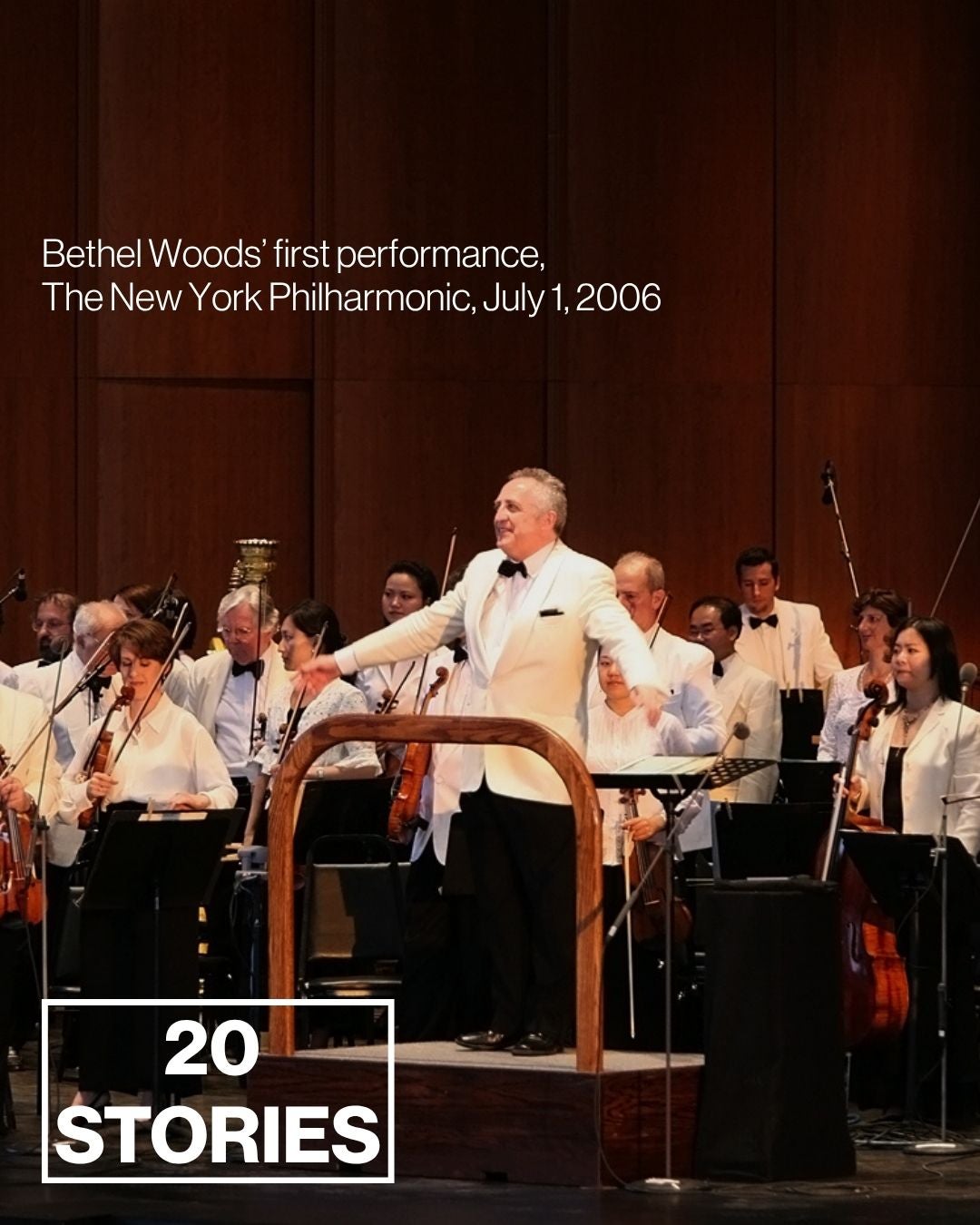 In the beginning, Bethel Woods was organized chaos. We were only weeks away from opening and still discovering basic things we hadn’t planned for yet — including realizing, incredibly late in the process, that we hadn’t even ordered uniforms for staff.
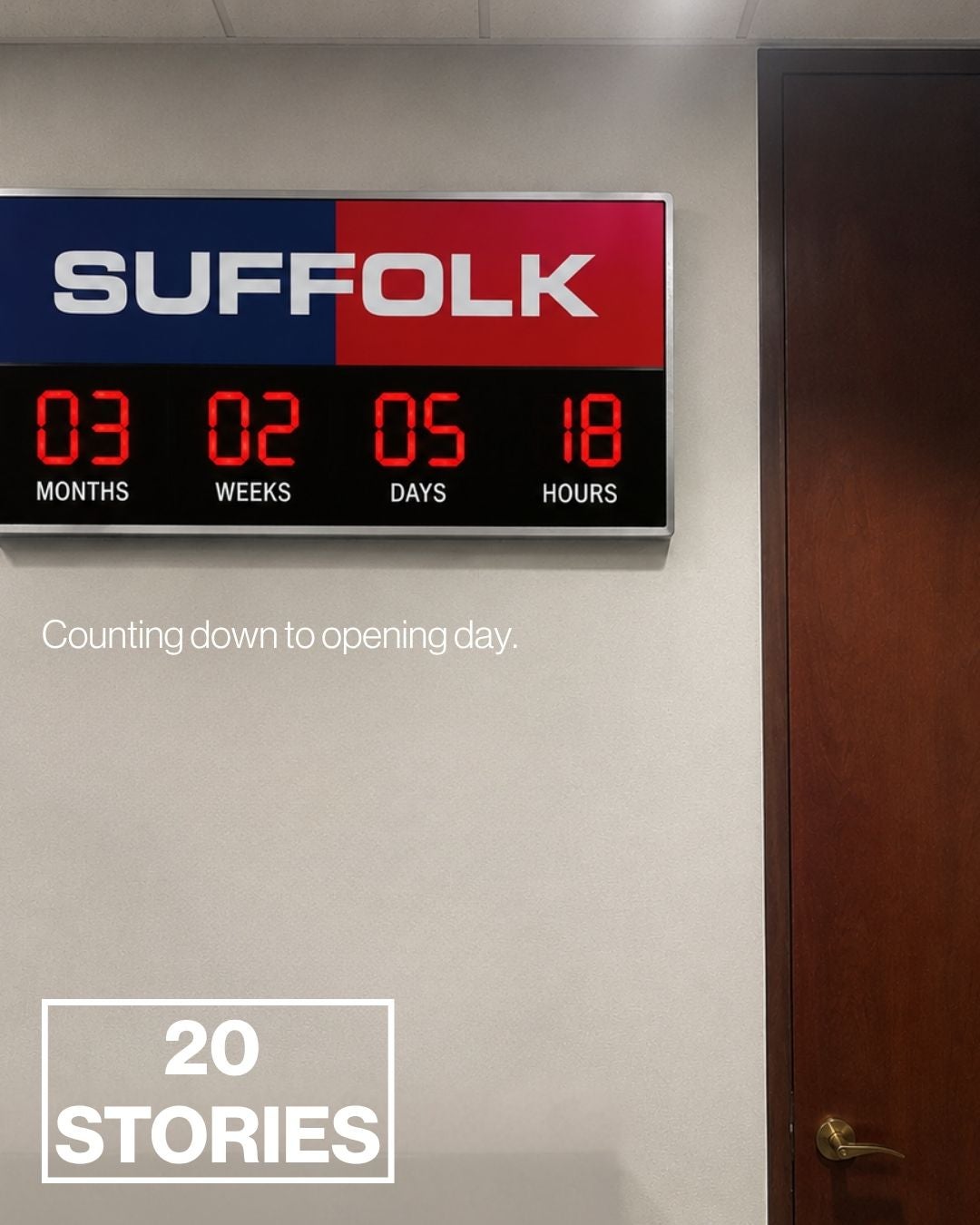
Every day felt like a race against the clock, literally, because in one of our conference rooms, there was a clock counting down the months, weeks, days, and hours to the first note of the New York Philharmonic on July 1, 2006.
Back then, there was a lot of improvising, problem-solving, and figuring things out in real time. The campus itself was still raw and unfinished in places. We were operating on a mix of adrenaline and sheer momentum because just like 1969, despite all the planning, no one truly knows what a place like this will become until the gates finally open.
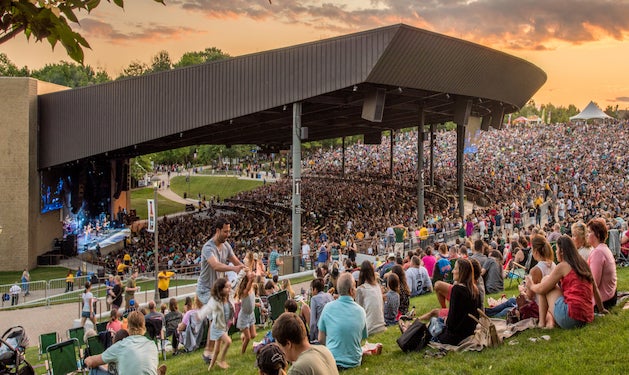
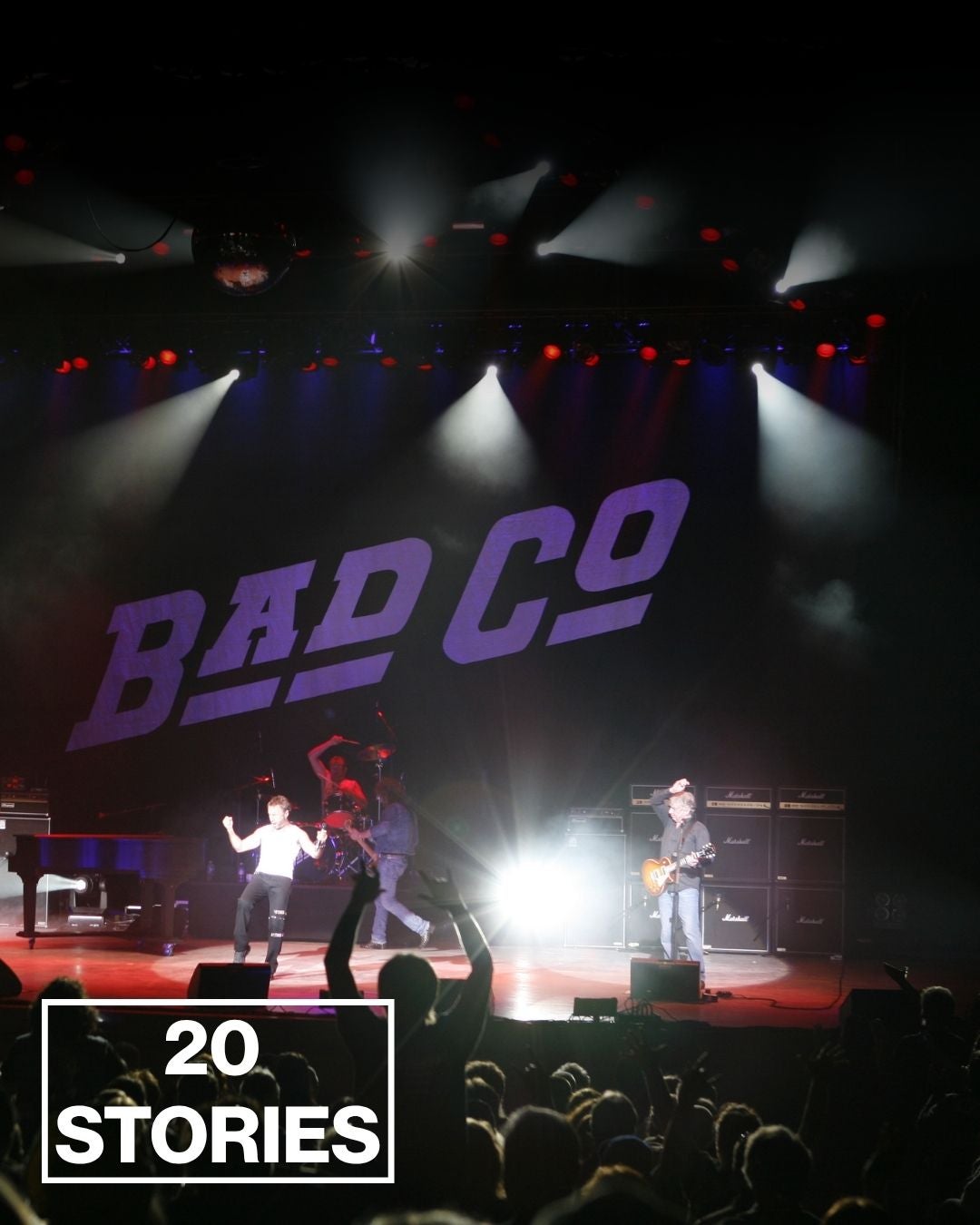 Today, what strikes me most is how deeply Bethel Woods has woven itself into people’s lives and into the region. We’ve evolved from being ‘the new venue on the Woodstock site’ into a true cultural institution — one that means different things to different people. For some, it’s where they saw their favorite artist for the first time. For others, it’s a place of education, inspiration, escape, or community connection.
Back then, we were hoping people would come. Today, I’ll stand backstage on a show day and realize there are so many cool things happening across campus, and I can’t possibly see all of them. It’s surreal to witness what the place has become after seeing it before it even opened. One of the biggest differences now is seeing families return year after year — and in some cases, seeing children who grew up attending programs here come back as adults, staff members, artists, or parents themselves. That’s when you realize Bethel Woods has become something enduring.
 Even during construction, you could tell this was going to be an impressive place physically. But what changed my perspective was seeing how people reacted once they actually arrived here and experienced it for themselves.
When the campus opened and guests began walking the grounds, visiting the Museum, and gathering for concerts and programs, you could feel something deeper happening. Often I talk about this one particular Bad Company show in the early years where I came over the crest of the lawn during the finale when they sang their signature hit “Shooting Star” and the house lights were up and everyone was on their feet singing the chorus to the song. You could feel the unifying power of music – it was unlike anything I had experienced.
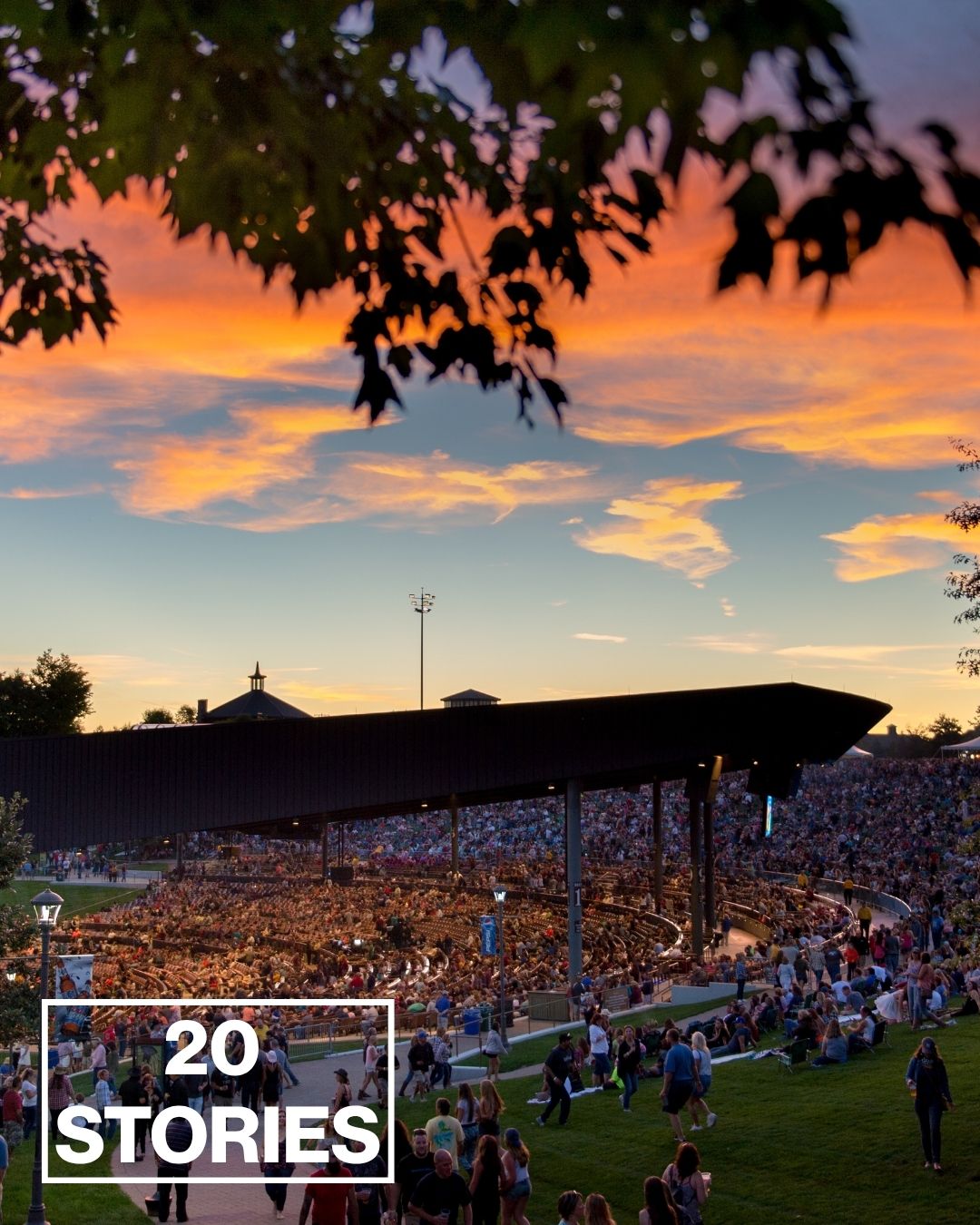 I also think back to Mysteryland, the EDM festival we hosted in 2014. When a group of younger kids came through the gates and made it to the historic field, one guy immediately threw himself into the grass and started flailing around like he was making a snow angel. “This place is heaven,” he said. It was fulfilling to see someone young, with no real connection to Woodstock, still feel the magic of the place — and I remember him telling me he didn’t drink or do drugs.
I realized people might arrive for a concert or a specific performer…but somewhere during the experience, many of them found something deeper — connection, memory, meaning, and even healing. That changed the way I thought about Bethel Woods. It stopped feeling like “the office” or work and started feeling like a sacred place that deserved to be shared with the world.
Over time, I’ve watched guests arrive as tourists and leave feeling emotionally connected to the site in ways they didn’t expect. That’s when you realize Bethel Woods is not just preserving history — it’s continuing it.”